Kitchen Detox 101: The Complete Guide to a Plastic-Free Kitchen
Your kitchen is the single biggest source of microplastic and chemical exposure in your home. This guide walks you through it in order, from the swaps with the highest health impact to the ones you can save for later. Twelve priorities, ranked, with vetted picks for each.

Your kitchen detox, in order
Start at step 1. Each swap is ranked by health impact, so if you only do the first three, you've already cut most of your exposure.
Affiliate disclosure: we earn a small commission on the product links below, at no cost to you. We never accept paid placements.
How to Remove Microplastics from Drinking Water
Tap water contains thousands of microplastic particles per liter. The right filter removes 99% of them. Start here, this is the highest impact, lowest cost change you can make.
Read the full guide →
LifeStraw Home Glass Pitcher
Glass pitcher, so filtered water never sits in plastic. Easiest entry point
View →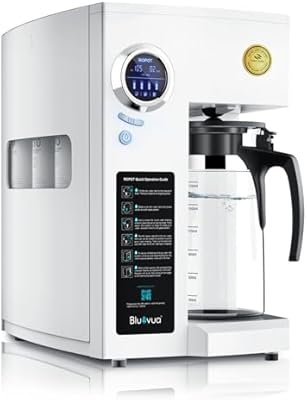
Bluevua RO100ROPOT Countertop RO
Five stage countertop RO, no plumbing, remineralized output
View →
APEC Reverse Osmosis System
NSF certified under sink RO, steel tank, whole family
View →Cast Iron vs Stainless Steel vs Carbon Steel Cookware
Nonstick cookware sheds PFAS into your food at every meal. Side-by-side comparison of the three safe alternatives, with cost, durability, and what each is best for.
Read the full guide →
Lodge Cast Iron Skillet (12")
100% PFAS free, lasts a lifetime, oven safe to any temp
View →
Tramontina Stainless Steel (12")
Tri ply 18/10 stainless, non reactive, dishwasher safe
View →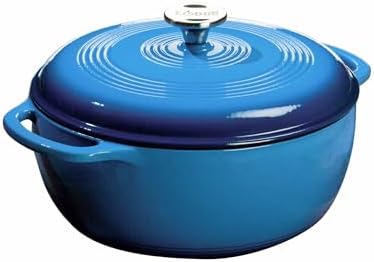
Lodge Enameled Cast Iron Dutch Oven (6 Qt)
100% PFAS free, no seasoning needed, oven safe to 500F
View →The Most (and Least) Toxic Kitchen Appliances, Ranked
From air fryers shedding PFAS to safe stainless steel picks. Which appliances actually leach into your food, and the specific non toxic swaps worth the counter space.
Read the full guide →
Stainless Steel Slow Cooker Insert (6 Qt)
Fits standard Crock Pot base, eliminates ceramic glaze risk
View →
Fritaire Pro 9 in 1 Glass Air Fryer
Tempered glass bowl, 304 stainless accessories, no PFAS
View →
Magnifique Glass Air Fryer Combo
Borosilicate glass pot and lid, stainless crisper disk, 12 in 1
View →Best Plastic Free Food Storage Containers
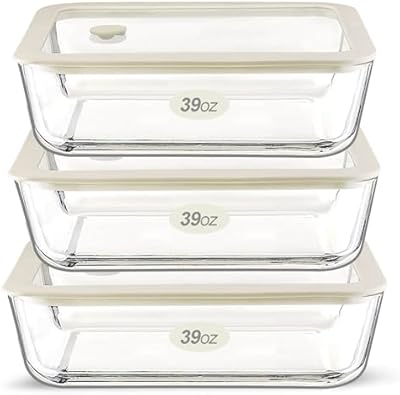
Plastic containers leach more when they hold hot, oily, or acidic food. The glass, stainless, and silicone options that actually hold up, and the brands worth buying. Do not skip the lid: the ring inside a jar lid is PVC plastisol, and it is the part that touches oily food.
Read the full guide →

Best Non Toxic Cutting Boards
A 2022 study found a single plastic cutting board sheds up to 50 grams of microplastic per year directly onto your food. The wood, bamboo, and composite options that don't.
Read the full guide →
Totally Bamboo Cutting Board (18x12.5)
Moso bamboo, formaldehyde free adhesive, large surface
View →
Teakhaus Edge Grain Teak Board
Sustainable teak, built in juice groove, water resistant
View →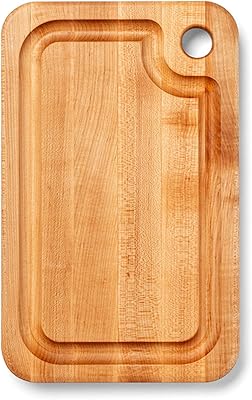
John Boos Maple End Grain Block (20x15)
End grain hard maple, self healing surface, NSF certified
View →Replace plastic kettles with glass or stainless steel
A plastic electric kettle boils water inside a plastic chamber every morning, the exact condition that releases the most particles. A stainless or glass kettle puts a metal or glass wall between the heating element and your water.

Cosori Double Wall Stainless Kettle
Full 304 stainless, no plastic inner lid, filter, or spout, fast boil
View →
Hario Buono Stovetop Gooseneck
100% stainless water path, gooseneck spout, works on induction
View →
Fellow Stagg EKG
Stainless interior, precision temperature control, gooseneck spout
View →Brew coffee without plastic touching the water
Coffee pods, plastic drip baskets, and plastic lined paper cups all leach when hot water hits them. A stainless steel, ceramic, or glass brewer plus unbleached paper filters or a metal mesh is the cleanest daily setup. Whole bean from a non plastic bag closes the loop.
Read the full coffee guide →
Hario V60 Ceramic Dripper (02)
Inert ceramic pour over cone, requires paper filter
View →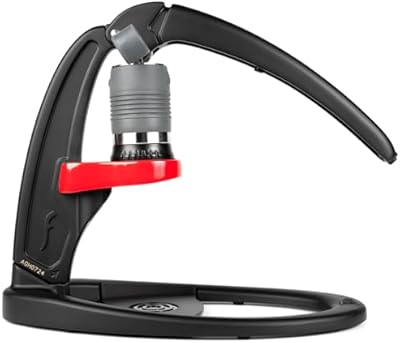
Flair Classic Manual Lever Espresso
All manual lever, stainless brew path, no plastic boiler
View →
Gaggia Classic Pro E24
Brass boiler and brass group head, cleanest plug in pump option (verify E24)
View →Swap plastic wrap, foil, and single-use bags
Plastic cling wrap and ziplock bags sit in direct contact with food, often hot, oily, or acidic. Beeswax wraps, silicone bags, and unbleached parchment cover every use case without the plasticizer transfer.

Bee's Wrap Beeswax Wraps (3 Pack)
Organic cotton, beeswax, jojoba oil, direct plastic wrap replacement
View →
If You Care Unbleached Parchment
Chlorine free, compostable, no PFAS coating, baking and wrapping
View →
Stasher Silicone Reusable Bags
Platinum food grade silicone, airtight, replaces ziplock bags
View →Trade plastic spatulas and spoons for wood
Plastic utensils melt against the side of a hot pan and shed micro fragments into the food you are stirring. Solid wood spoons and spatulas hold up to high heat, will not scratch any cookware, and last for years with a quick oil rub.



Replace non-stick baking sheets and pans
A single crack in a nonstick coating sheds about 9,100 plastic particles, and lab testing found low level PFAS in some parchment brands while If You Care tested non detect. Plain stainless sheets, unbleached parchment, and stainless mixer bowls keep your baking out of the plastic chain. Our full non toxic bakeware guide covers every pan, liner and tool.

Wildone Stainless Steel Baking Sheets
18/8 stainless, no non stick coating, no PFAS, dishwasher safe
View →
If You Care Unbleached Parchment
Chlorine free, no PFAS coating, oven safe, compostable
View →
Stainless Bowl for KitchenAid Mixer
4.5 qt stainless food contact, fits tilt head models
View →Plastic in Groceries: What Really Matters
Not all grocery plastic is equal. The foods you should always buy plastic free, the ones that are fine in plastic but should be re stored at home, and the ones not worth worrying about.
Read the full guide →
Organic Cotton Reusable Produce Bags
Organic cotton, machine washable, replaces produce aisle plastic
View →
Bee's Wrap Beeswax Wraps (3 Pack)
Organic cotton, beeswax, jojoba oil, plastic wrap replacement
View →
Stasher Silicone Reusable Bags
Platinum food grade silicone, airtight, microwave and freezer safe
View →Switch to plastic-free dish brushes, sponges, and soap
Synthetic dish sponges shed microplastics into your sink with every scrub, and that water rinses across your pans and cups. Tampico fiber brushes, cellulose cloths, and solid soap bars eliminate the shed at the source.

REDECKER Tampico Fiber Dish Brush
Tampico fiber and beechwood, replaceable head, no plastic bristles
View →
If You Care Sponge Cloths
Cellulose and cotton, fully compostable, replaces synthetic sponges
View →
No Tox Life Dish Block
Solid dish soap bar, zero plastic packaging, dye and fragrance free
View →Ready to make the swaps?
Browse our curated kitchen products: cookware, food storage, coffee gear, and more, all vetted against the criteria in this guide. Or take the free whole-home detox quiz to get a personalized priority list.
Shop Kitchen Swaps Take the whole-home quiz →Quick answers
Common kitchen detox questions, with deep-dive guides for each.
Continue your detox
Other rooms and topics to tackle next.
Help us test what is really in everyday products.
We run independent lab tests and publish the results free. Support the testing, or get a personalized plan for your home. Both keep the science going.