Bathroom 101: The Complete Plastic Free Bathroom Guide
The average woman puts 168 chemicals on her skin before breakfast, and most of them come from the bathroom shelf. Many contain microplastics, phthalates, parabens, and PFAS that absorb directly into your bloodstream. This guide walks through the 10 swaps that matter most, in priority order.
Your bathroom detox, in order
Start at step 1. Each swap is ranked by health impact, so if you only do the first three you have already cut most of your bathroom exposure.
Affiliate disclosure: we earn a small commission on the product links below, at no cost to you. We never accept paid placements.
Cut hidden phthalates from "fragrance"
"Fragrance" or "parfum" on any label is a regulatory loophole that hides dozens of unlisted chemicals, including phthalates linked to hormone disruption and infertility. Switching to fragrance free across deodorant, soap, and lotion is the single highest impact bathroom change you can make.
Read the full guide →

Replace microplastic loaded makeup
Mascara, foundation, lipstick, and any product with shimmer or glitter are loaded with polyethylene, acrylates copolymer, and nylon. These sit on your face all day and migrate through skin and lash follicles. Clean formulas exist that wear just as well.
Read the full guide →
Axiology Fungdation Foundation
Plastic free tube, reishi and snow mushroom, 15 shades
View →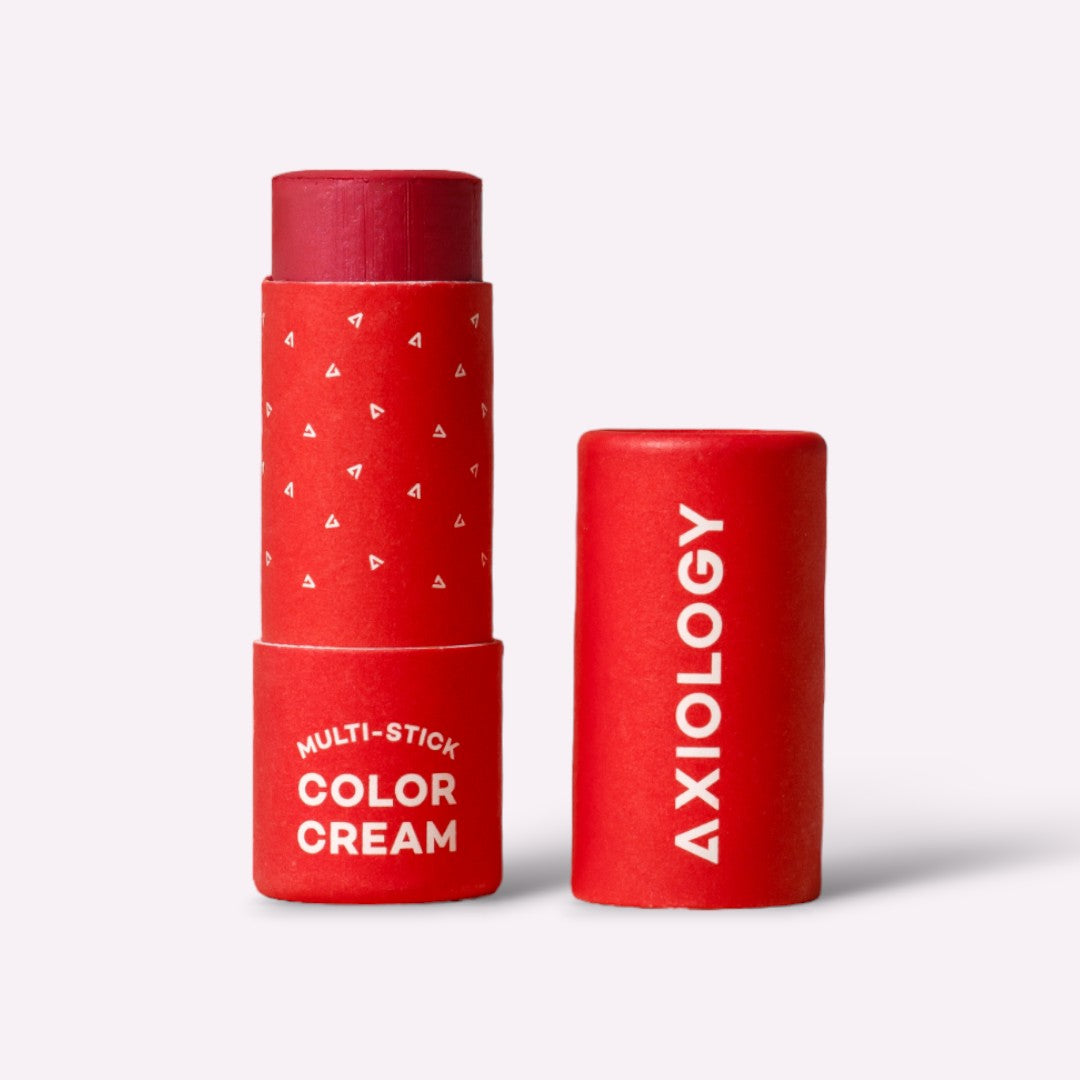
Axiology Color Cream Multi Stick
Plastic free tube for lips, cheeks, and eyes, 14 shades
View →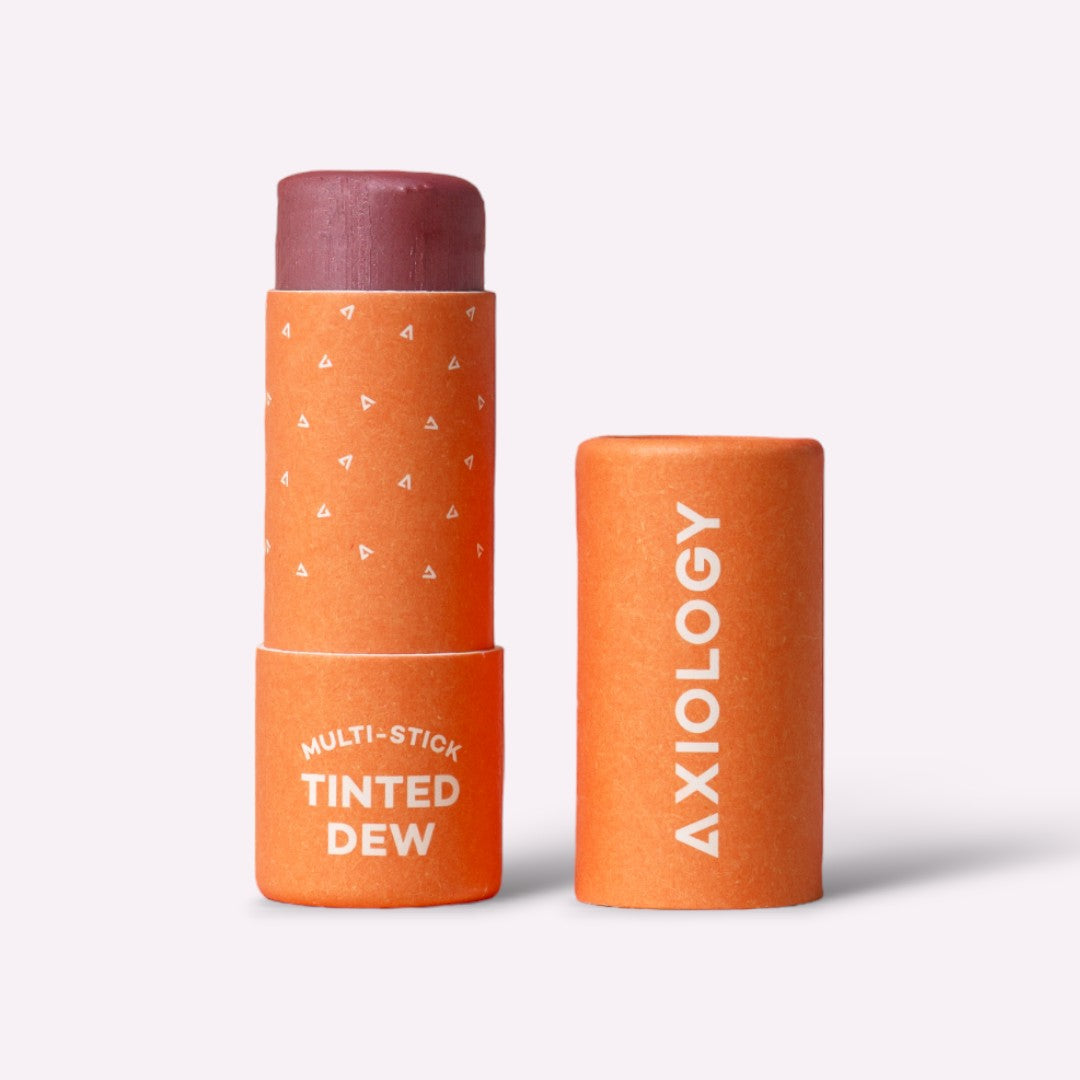
Axiology Tinted Dew Multi Stick
Plastic free tube, sheer dewy color, lips cheeks and eyes, 7 shades
View →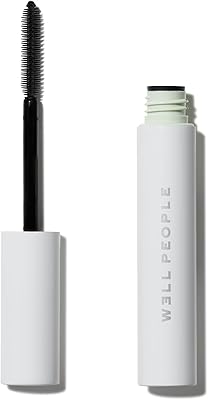
W3LL PEOPLE Mascara
EWG verified, plant wax base, vegan and cruelty free
View →
Henne Organics Lip Balm
Five ingredient formula, glass jar, organic plant oils
View →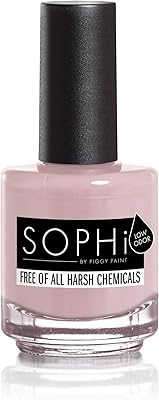
SOPHi by Piggy Paint Nail Polish
Water based, no plastic film formers, safe for pregnancy
View →Switch to mineral sunscreen
The FDA in 2021 confirmed six common chemical UV filters absorb into the bloodstream after a single application. Mineral sunscreens (zinc oxide, titanium dioxide) sit on the skin instead, and modern formulas rub in without the chalky white cast.
Read the full guide →

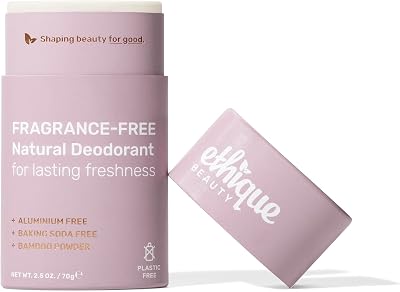
Drop aluminum and synthetic fragrance deodorants
Conventional antiperspirants combine aluminum compounds with phthalate carrying fragrance and apply them straight to lymphatic skin under the arm. The tube matters too: a wax stick is the kind of contents most likely to draw additives out of plastic, so both picks here come in paper.

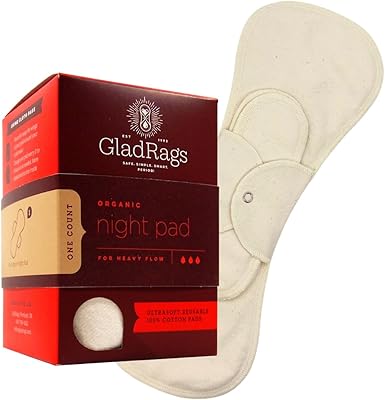
Switch to organic cotton or a reusable cup
Conventional tampons and pads are made from chlorine bleached rayon and synthetic fibers, applied to one of the most absorbent tissue regions in the body for hours at a time. Organic cotton products and reusable medical grade silicone cups eliminate the plastic and chemical exposure.


Swap toothpaste formulas with SLS and synthetic additives
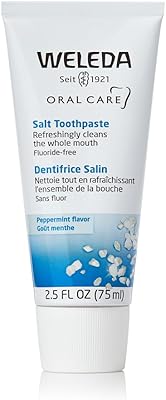
The issue is the formula, not the tube. Conventional toothpaste is packed with SLS, synthetic foaming agents, artificial sweeteners, dyes, and in some cases microbead exfoliants. The picks below come in plastic tubes too, but the ingredient list is the cleanup that actually matters for what ends up in your mouth. See the best non toxic toothpaste for adults for the vetted picks.

Switch to bar or refillable shampoo
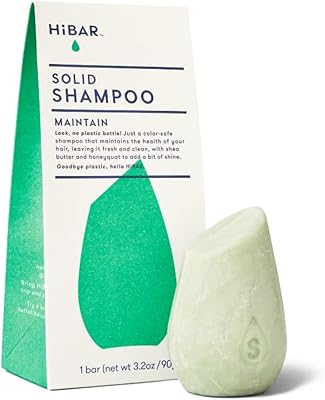
A standard year of liquid shampoo and conditioner sends a dozen plastic bottles to landfill and exposes your scalp to sulfates, silicones, and fragrance. Solid bars in compostable packaging and refillable aluminum bottle systems both eliminate the bottle and the synthetic fillers.

Move skincare to glass and clean formulas
Most face cleansers, serums, and moisturizers come in plastic bottles that leach into oily and acidic formulas, and the formulas themselves are loaded with PEGs, silicones, and synthetic polymers. Glass packaging plus MADE SAFE or EWG verified formulas fix both at once.

Earth Harbor Cleansing Mousse
Glass bottle, vegan, antioxidant rich, no synthetic polymers
View →
Earth Harbor Hyaluronic Serum
Glass bottle, plant gum texture, no synthetic polymers
View →
Activist Calming Force Serum
Refillable glass, niacinamide plus salicylic acid, calms breakouts
View →
Activist Vitamin C+ Serum
Refillable glass, 3% vitamin C plus peptides, brightens dark spots
View →
Plaine Products Face Moisturizer
Refillable aluminum bottle, no silicones, vegan
View →Replace disposable cartridge razors
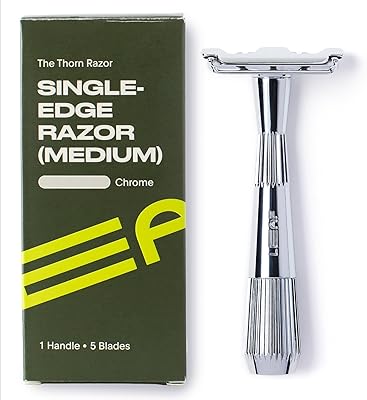
Disposable cartridge razors pile up plastic and rubber lubricant strips that touch your skin every shave. A double edge safety razor uses a single recyclable steel blade, lasts a lifetime, and shaves cleaner once you adjust to the angle.


Use a truly plastic free toothbrush
Most "bamboo" toothbrushes still have nylon plastic bristles you put in your mouth twice a day. The truly plastic free options use boar bristle or castor bean derived bio bristles, and the cleanest electric option uses an aluminum body that is repaired rather than replaced.
Read the full guide →
PRIMALS Boar Bristle Toothbrush
100% boar hair bristles, zero nylon, fully compostable
View →
SeaTurtle Plant Based Bamboo Toothbrush
Castor bean bristles, FSC bamboo, best vegan value
View →
SURI 2.0 Electric Toothbrush
Aluminum body, castor oil bristles, repairable, B Corp certified
View →Ready to swap your bathroom shelf?
Browse vetted bathroom products: clean cosmetics, mineral sunscreens, plastic free oral care, and fragrance free essentials. Or take the free whole home detox quiz for a personalized plan.
Shop Bathroom Swaps Take the whole-home quiz →Quick answers
Common bathroom detox questions, with deep dive guides for each.
Continue your detox
Other rooms and topics to tackle next.
Help us test what is really in everyday products.
We run independent lab tests and publish the results free. Support the testing, or get a personalized plan for your home. Both keep the science going.