Water Detox 101: Filter Out the Plastic, Keep What Matters
Tap water carries thousands of microplastic and nanoplastic particles per liter, plus PFAS, lead, and chlorine byproducts. The right filter removes 99% of all of it. The wrong one removes almost nothing. This guide walks you through which is which, in order.
Your water detox, in order
Start at step 1. By the end of step 2 you'll know exactly which filter to buy. Steps 3 to 6 cover the contaminants, the picks, and the edge cases.
Best Water Filter to Remove PFAS, Lead and Fluoride
The buying guide. Find out what is actually in your own tap in about ten minutes, then match a technology to it: lead, PFAS, microplastics, nitrates, arsenic and fluoride, each with the filter that removes it.
How to Remove Microplastics from Drinking Water
The foundation. What's actually in your tap water, which filters remove microplastics (and which don't), and a step-by-step action plan to protect your family.
Can Nanoplastics Be Filtered Out of Water?
Most filters miss nanoplastics entirely. Only reverse osmosis and nanofiltration actually remove them. The latest research, plus which models work and which don't.
How to Filter PFAS and Microplastics from Water
PFAS ("forever chemicals") are linked to cancer, fertility issues, and immune dysfunction. Standard carbon filters miss most of them. The certifications and filter types that work.
Best Water Filters for Microplastics and PFAS
The ranked picks, scored on two tests instead of one: what the filter removes, and what your clean water touches afterwards. Most systems clean the water then park it back in plastic.
How to Remove Microplastics from Bottled Water
Bottled water contains 10x to 100x more nanoplastics than tap. If you're stuck with it (travel, emergencies), here's how to reduce exposure and what to switch to instead.
Top 5 recommended swaps
Vetted picks from our store. Affiliate links: we earn a small commission when you buy, at no cost to you. We never accept paid placements.

LifeStraw Home Glass Pitcher
Glass pitcher, so filtered water never sits in plastic. Cheapest step up
View →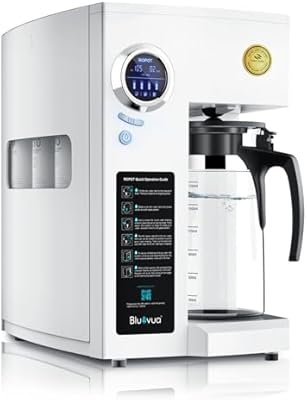
Bluevua Countertop Reverse Osmosis
Best countertop RO, no plumbing required
View →
APEC Reverse Osmosis System
Best under-sink whole-family protection
View →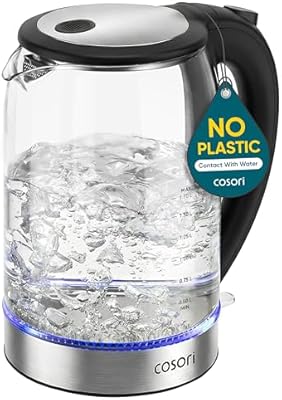
Cosori Glass Electric Kettle
Plastic-free kettle for tea and coffee
View →Ready to filter your water?
Browse our curated water filter picks: pitchers, countertop, and reverse osmosis systems vetted for microplastic, nanoplastic, and PFAS removal. Or take the free whole-home detox quiz for a personalized plan. A safe kettle is only the start in the kitchen; see our guide to toxic kitchen appliances.
Shop Water Filters Take the whole-home quiz →Quick answers
Common water filtration questions, with deep-dive guides for each.
Continue your detox
Other rooms and topics to tackle next.
Help us test what is really in everyday products.
We run independent lab tests and publish the results free. Support the testing, or get a personalized plan for your home. Both keep the science going.