Bedroom & Air 101: The Microplastics You're Inhaling Every Night
Indoor air contains five times more microplastics than outdoor air, and you spend roughly a third of your life in your bedroom. Synthetic mattresses, polyester bedding, and laundry off-gassing are the main sources. This guide shows you what to swap, in the order that matters most.
The 10 step bedroom and air detox, in order
Start at step 1. Each swap is ranked by exposure per day, not price. The first three are direct face contact for eight hours a night, so they matter most.
Affiliate disclosure: we earn a small commission on the product links below, at no cost to you. We never accept paid placements.
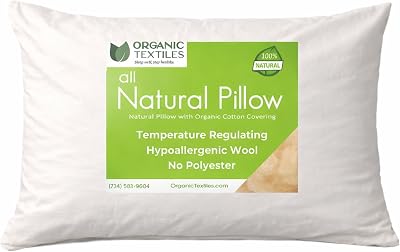
Switch to an organic cotton pillowcase
Your face is in direct contact with the pillowcase for roughly eight hours a night. Polyester pillowcases shed microfibers onto skin and into the air, and synthetic pillow fills off gas for years. Start with the pillowcase. It is the cheapest and highest contact swap in the room.
Read the full guide →

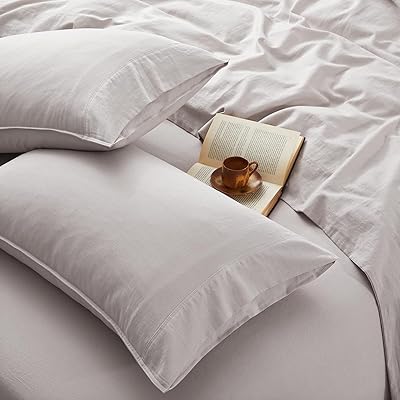
Replace polyester sheets with organic cotton or linen
Polyester and microfiber sheets shed plastic fibers into your skin and lungs every night, and the polyester wicking finish breaks down with every wash. Organic cotton, linen, and TENCEL release zero microplastic. Towels matter too, because they shed onto damp skin.
Read the full guide →

Block synthetic mattress off-gassing or upgrade the mattress
Polyurethane foam, memory foam, and flame retardants off gas VOCs for years and shed fibers under sheets. If you cannot replace the mattress yet, a tightly woven organic cotton protector blocks most of it. When it is time to replace, organic latex and wool with encased coils have zero foam.
Read the full guide →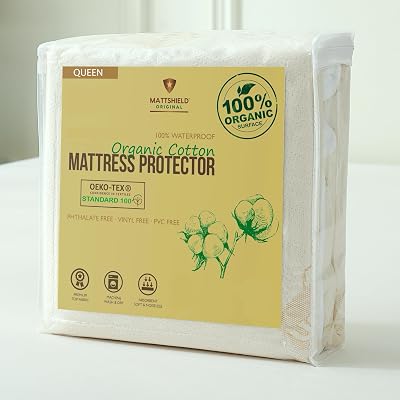
Organic Cotton Mattress Protector
Blocks contact and off-gassing when you cannot replace yet
View →
Pure Green Natural Latex Mattress
GOLS organic latex, GOTS cotton and wool, zero foam
View →
Naturepedic Serenade Organic Mattress
GREENGUARD Gold, encased coils, no fiberglass or foam
View →Run a True HEPA air purifier in your bedroom
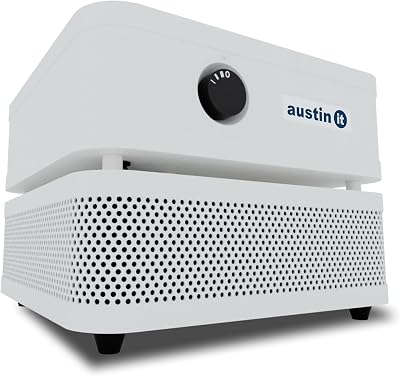
Indoor air contains roughly five times more microplastic particles than outdoor air. A True HEPA purifier captures 99.97% of particles down to 0.3 microns, including airborne microplastic dust, mold spores, and combustion fragments. Run it on auto in the bedroom while you sleep.
Read the full guide →

Catch microfibers when washing synthetic clothes
A single load of polyester clothing releases hundreds of thousands of plastic fibers into the wastewater and dryer exhaust. A washing bag, fiber catcher ball, or in-line lint filter captures 80 to 90% of them before they leave the machine.
Read the full guide →
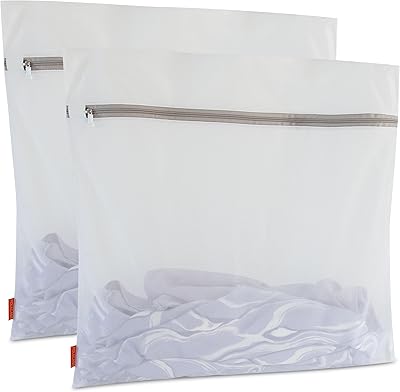

Switch to fragrance free laundry detergent
Fragrance is a regulatory loophole that lets brands hide phthalates and synthetic musks linked to hormone disruption. The chemicals coat your clothes and slowly absorb through skin all day. Fragrance free detergents in cardboard or refillable packaging eliminate both the phthalates and the plastic jug.
Read the full guide →
Vacuum weekly with a True HEPA vacuum
Microplastic dust settles on every surface in your home, and a regular vacuum recirculates the smallest particles back into the air. True HEPA bagged or sealed vacuums trap fibers down to 0.3 microns. Once a week is enough for most bedrooms.
Read the full vacuum guide →


Replace synthetic curtains with cotton or linen
Polyester and PVC blackout curtains off gas next to your window, and direct sunlight accelerates the breakdown into airborne particles. Cotton and linen curtains do not shed plastic, and naturally heavy linen blocks plenty of light in a bedroom.
Read the full guide →


Cover synthetic carpet with a natural fiber rug
Wall to wall synthetic carpet is one of the largest microplastic sources in a home, but ripping it up is rarely realistic. A wool, jute, or organic cotton rug on top covers the highest traffic area, traps falling dust, and gives you a natural fiber barrier where your feet meet the floor.
Read the full guide →


Skip dryer sheets and air dry where you can
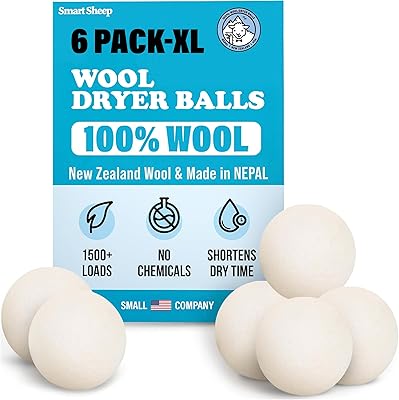
Dryer sheets coat clothes with quaternary ammonium compounds and fragrance phthalates, and the hot tumbling shreds synthetic fibers faster. Wool dryer balls cut drying time by 25%, and a folding rack lets you air dry the synthetic loads that shed the most.
Read the full guide →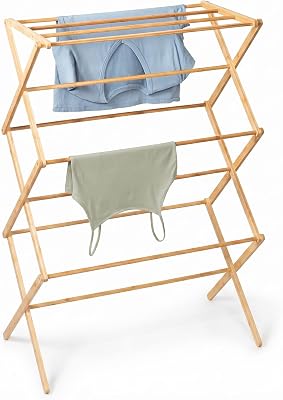

Ready to clean up your air and bedroom?
Browse our curated picks: organic bedding, natural mattress toppers, HEPA air purifiers, and microfiber catching laundry essentials. Or take the free whole home detox quiz for a personalized plan.
Shop Bedroom Swaps Take the whole-home quiz →Quick answers
Common bedroom and indoor air questions, with deep-dive guides for each.
Continue your detox
Other rooms and topics to tackle next.
Help us test what is really in everyday products.
We run independent lab tests and publish the results free. Support the testing, or get a personalized plan for your home. Both keep the science going.