The Complete Guide to Plastic-Free Coffee: Beans, Brewers, and Beyond (2026)
The 30 Second Summary
- Plastic pods are the worst offender. A single hot pod can release billions of nanoplastic particles into one cup of coffee.
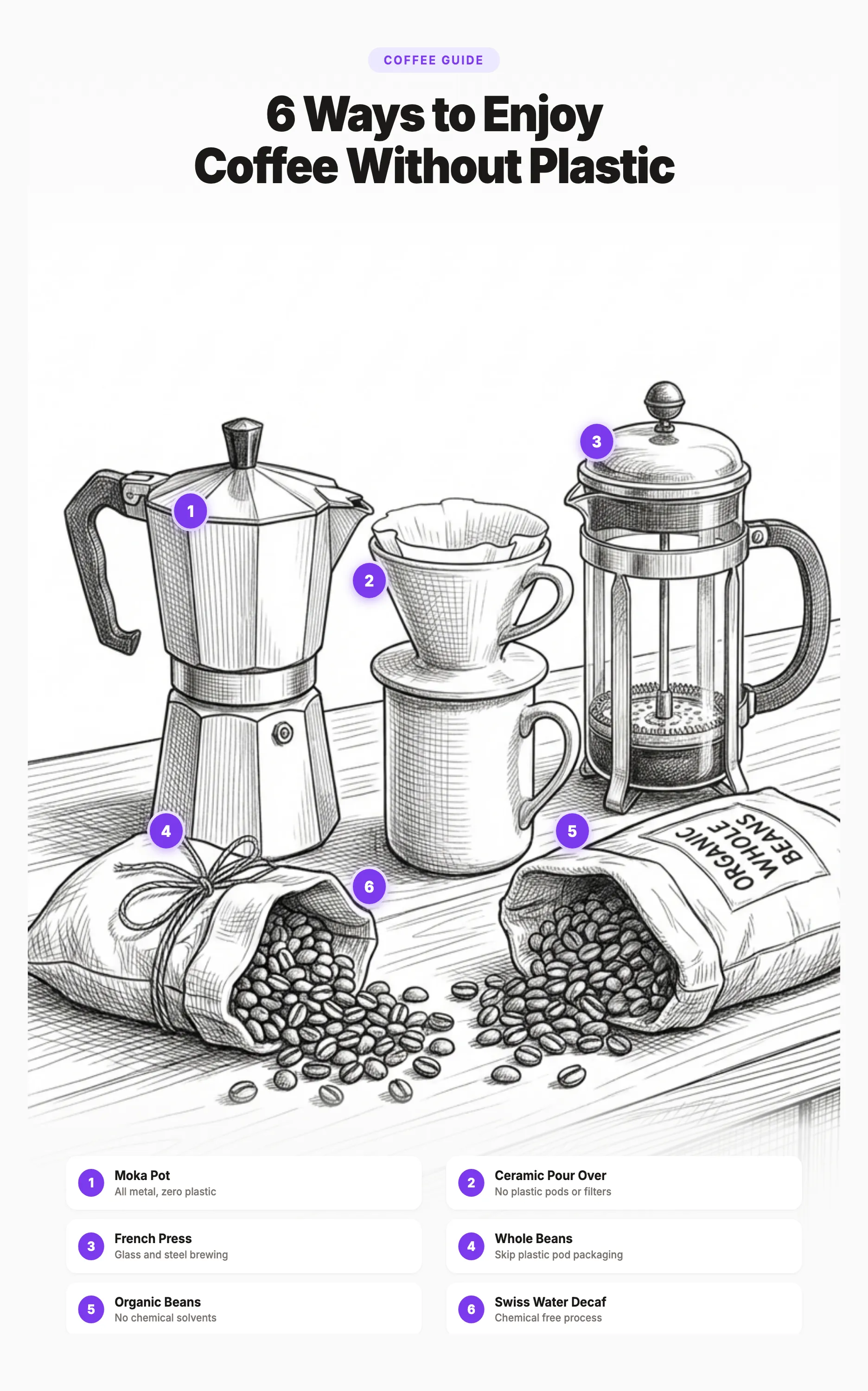
- Best brewing methods are all metal or glass. A Hario V60 metal dripper, a Bialetti stainless moka pot, or a glass Bodum Chambord French press all keep hot water away from plastic.
- Skip the paper cup with a plastic lid. The lining and lid both shed when hit with hot liquid. Bring an insulated stainless steel travel mug instead.
- Choose organic whole beans, not pre ground. Pre ground often sits in plastic bags with linings, and conventional beans carry pesticide residues.
- Watch out for decaf solvents. Look for Swiss Water Process or CO2 decaffeination instead of methylene chloride.
- Espresso lovers can go plastic free too. Manual lever machines like the Flair Classic have no plastic in the brew path. Plug in pump machines are not a shortcut: the Gaggia Classic Pro, for one, has a plastic water tank and PTFE among its internal seals.
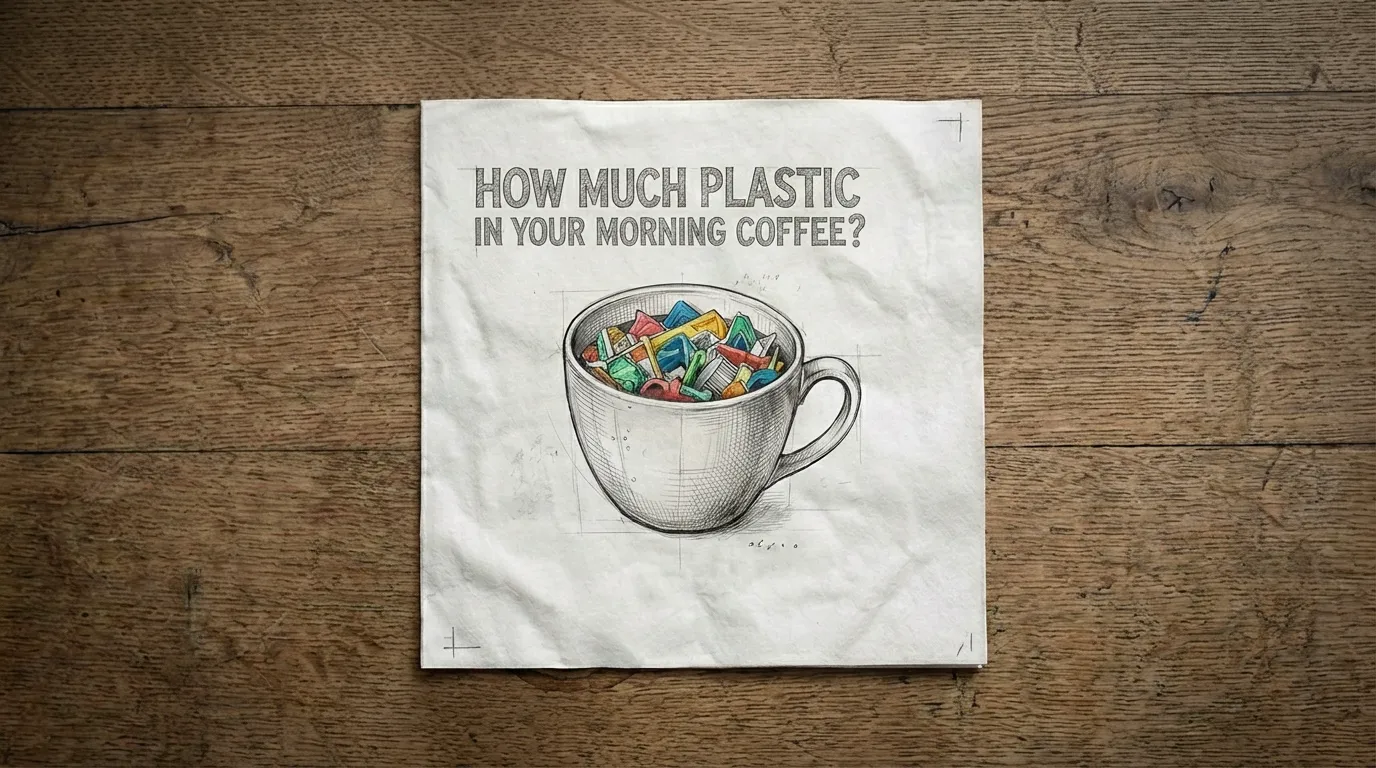
If you drink coffee every day, your morning routine might be one of your biggest sources of microplastic exposure. A single plastic coffee pod can release billions of nanoplastic particles into your cup. Disposable cups, plastic lids, chemical solvents in decaf processing, and pesticides on conventional beans all add to the problem.
The good news: making your coffee plastic free is one of the easiest swaps you can make. This guide covers every step of the process, from choosing beans to brewing methods to what you drink it from.
1. The Plastic in Your Coffee
Most people focus on the coffee itself when thinking about their morning cup. But the plastic exposure happens at almost every other step: the machine that brews it, the pod it comes in, the filter it passes through, the cup you drink it from, and even the lid you sip through.
Here is a quick overview of where plastic hides in your coffee routine:
- Coffee pods and capsules are made from polypropylene plastic or lined aluminum. Hot water forced through them at high pressure extracts billions of particles.
- Automatic espresso machines (DeLonghi, Breville, Jura) have plastic water reservoirs, brew groups, and internal tubing that all contact near boiling water under high pressure.
- Drip coffee makers typically have plastic water reservoirs, internal tubing, and brew baskets that all contact near boiling water.
- Paper coffee filters can contain PFAS treatments for wet strength.
- Disposable cups are lined with polyethylene plastic. They are not pure paper.
- Plastic lids (especially polystyrene) release chemicals into hot vapor.
- Decaf processing often uses methylene chloride, a chemical solvent classified as a possible carcinogen.
- Conventional beans can carry pesticide residues that survive roasting.
The cumulative exposure is significant. If you drink two cups a day, that is over 700 cups a year. Every small improvement multiplies across every single cup.
2. Coffee Pods: The Biggest Problem
Single serve coffee pods are the highest plastic exposure source in most people's coffee routines. A 2020 study by researchers at McGill University found that brewing a single cup from a plastic coffee pod released approximately 2.3 to 7.9 billion nanoplastic particles and 1.2 to 17.8 million microplastic particles per cup.
The reason is simple: near boiling water is forced through a small plastic container under pressure. Heat and pressure are the two factors that accelerate plastic leaching the most.
*Auto espresso machines have plastic reservoirs, brew groups, and tubing under high heat/pressure. Aluminum pods have inner linings that can still leach. Data: Hernandez et al., McGill University, 2020.
What About Aluminum Pods?
Nespresso style aluminum capsules perform somewhat better than plastic K-Cups for microplastic exposure specifically. However, aluminum capsules have an inner food grade lacquer lining that can still release particles and chemicals. The aluminum itself can also leach in trace amounts. Aluminum pods are better than plastic pods, but they are not exposure free.
If You Must Use a Pod Machine
If you have a pod machine and are not ready to replace it, use a reusable stainless steel capsule. Brands like Waycap, Sealpod, and Bluecup make reusable stainless steel pods that fit Nespresso and Keurig machines. You fill them with your own ground coffee. This eliminates plastic contact entirely while keeping your existing machine.
3. The Safest Brewing Methods
The safest coffee is brewed in a system where no plastic touches hot water at any point. Here are the best options, ranked:
| Method | Plastic Contact | Price | Best For |
|---|---|---|---|
| Glass French Press | Zero | $25 to $40 | Full bodied, rich coffee |
| Glass Pour Over | Zero | $20 to $35 | Clean, bright flavors |
| Stainless Moka Pot | Zero | $30 to $50 | Espresso style, strong |
| Glass Siphon Brewer | Zero | $50 to $80 | Theatrical, smooth |
| Stainless Percolator | Zero | $30 to $60 | Large batches, camping |
| AeroPress | Polypropylene body | $35 | Travel, quick single cup |
| Auto Espresso Machine | Reservoir, brew group, tubing | $300 to $1,500 | Convenience, espresso drinks |
| Manual Lever Espresso | Zero | $150 to $400 | True espresso, no plastic |
| Drip Maker (plastic reservoir) | Reservoir, tubing | $30 to $100 | Convenience, large volume |
| Plastic Coffee Pod | Maximum exposure | $0.50 to $1/pod | Convenience (worst for health) |
Plastic Free Brewers We Recommend
These four brewers cover every taste and budget. None has plastic in the water path. Pick the one that matches the coffee you actually want to drink: light and clean (pour over), full bodied (French press), or strong and concentrated (moka pot). For ranked picks by category, including a stovetop percolator and a glass and steel cold brew maker, see our Best Plastic-Free Coffee Makers guide.

Hario V60 Metal Dripper (02)
Uncoated stainless steel cone with a silicone holder. Water touches only steel and paper.
View →
Bodum Chambord
Borosilicate glass carafe with a stainless steel plunger and filter. No plastic touches the brew.
View →
Bialetti Venus
Stainless steel stovetop espresso. Skip the aluminum classic.
View →
Frieling Double Wall French Press
Unbreakable stainless steel. Keeps coffee hot for hours.
View →A Note on AeroPress
The AeroPress is popular for travel and speed, but it is made from polypropylene plastic. Hot water contacts the plastic body directly during brewing. Polypropylene is one of the more stable plastics and is BPA free, but it is still plastic meeting hot water. If you use an AeroPress, consider it a middle ground rather than a fully plastic free option.
Automatic and Semi Automatic Espresso Machines
Popular home espresso machines from brands like DeLonghi, Breville, Jura, and Philips present a specific challenge that most coffee guides overlook. These machines typically contain multiple plastic components that contact hot water:
- Water reservoir. Almost always made of clear plastic (polycarbonate or Tritan). Hot water sits in this tank for extended periods between uses, and warm water from the thermoblock can flow back into it.
- Internal tubing. Silicone or plastic tubes carry water from the reservoir through the machine. These are difficult to inspect or replace.
- Brew group (brewing unit). In super automatic machines (like DeLonghi Magnifica or Dinamica), the brew group that grinds, tamps, and extracts your coffee is typically made of plastic. Hot water is forced through this unit under pressure with every cup.
- Drip tray and spouts. The coffee dispensing spouts and drip tray are almost always plastic, and hot coffee flows directly through them.
- Milk frother. Built in milk systems use plastic tubing and chambers that contact hot steam and milk.
The combination of high temperature water (90 to 96 C), high pressure (9 to 15 bars), and repeated thermal cycling makes automatic espresso machines a significant source of plastic exposure. Every time the machine heats up and cools down, the plastic components expand and contract, which accelerates the release of microplastics over time.
- Replace the plastic water tank with a glass carafe that fits, or pour only fresh cold water before each use rather than letting water sit in the plastic reservoir.
- Run a flush cycle before your first cup each day. Discard the first 100 mL of water, as this water has been sitting in contact with plastic components overnight.
- Descale regularly. Scale buildup creates more surface area for plastic degradation. A clean machine leaches less.
- Skip the built in milk frother. Heat milk separately in a stainless steel pot on the stove or use a standalone stainless steel milk frother.
- Consider a manual lever espresso machine. Lever machines have no plastic in the water path. They require more effort but produce excellent espresso with zero plastic contact.
If you are in the market for a new machine, look for a water path that is stainless steel, and do not treat brass as a clean substitute, because brass can contain lead. The Gaggia Classic Pro shows the problem with plug in pump machines: water waits in a plastic tank, PTFE is among the internal seals, and the brass valves come with no stated lead content, so it is not true that only metal touches the water. Classic brass lever machines carry the lead question too. A 2009 California court judgment over leaded brass plumbing names the La Pavoni Europiccola, and the maker makes no lead free statement. We recommend neither machine.
Plastic Free Espresso Machines We Recommend
Two manual lever espresso makers that keep plastic out of the brew path. You heat water in your own kettle and pour it into the brew chamber, so there is no tank, no boiler and no internal tubing.
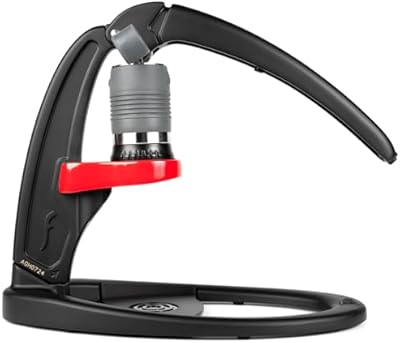
Flair Classic
Manual lever, all stainless steel brew path. Zero plastic contact.
View →
Flair PRO 3
All stainless brew head with pressure gauge and shot mirror.
View →Plastic Free Grinders We Recommend
A good grinder matters: pre ground coffee oxidizes fast, and most grocery store grinders have plastic burr housings and bins that contact your beans. These three hand grinders have stainless steel burrs and metal bodies. Use the Comandante with its glass catch jar rather than the polymer jar it also ships with, and nothing plastic touches your grounds.
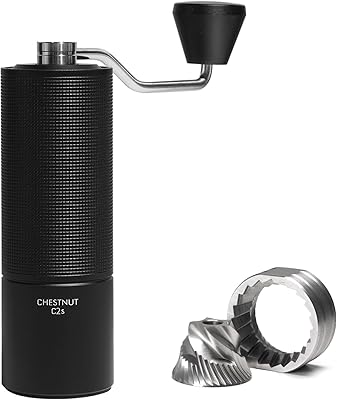
TIMEMORE Chestnut C2S
Stainless steel burrs, aluminum body. Best entry hand grinder.
View →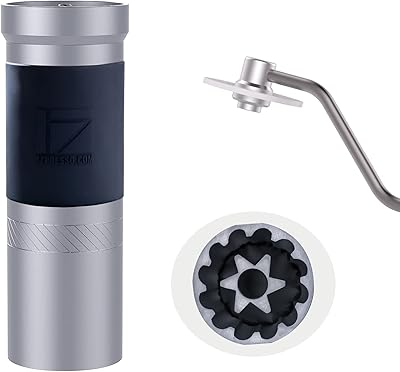
1Zpresso J
48mm stainless steel burrs, aluminum alloy body. Pour over to French press.
View →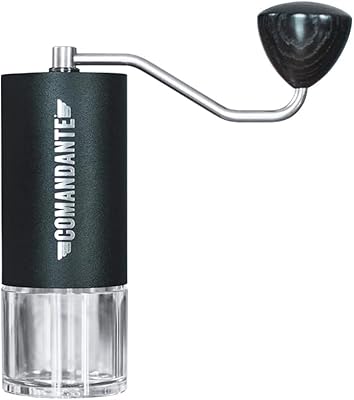
Comandante C40 Nitro Blade
German nitrogen treated burrs. Ships with a glass and a polymer catch jar; use the glass one.
View →4. Choosing the Right Filter
The filter your coffee passes through matters more than most people realize.
Unbleached Paper Filters (Best)
Unbleached (brown) paper filters are the safest choice. They are free of chlorine treatments and typically contain no chemical additives. They also provide a health benefit: paper filters trap cafestol and kahweol, two coffee oils that can raise LDL cholesterol with heavy consumption. For most people, paper filtered coffee is healthier than unfiltered methods.
Oxygen Bleached Paper Filters (Good)
White paper filters bleached with oxygen (labeled TCF or Totally Chlorine Free) are also safe. Modern bleaching processes have largely eliminated the dioxin concerns of older chlorine bleached filters. Check the label for "oxygen bleached" or "TCF."
Watch Out for PFAS in Filters
Some paper filters are treated with PFAS (forever chemicals) for wet strength. A 2020 study found PFAS in some paper food contact materials. Not all brands disclose this. Look for filters from brands that specifically state they are PFAS free.
Stainless Steel and Gold Filters
Reusable stainless steel mesh filters (grade 304 or 316) are chemically inert and will never leach into your coffee. The tradeoff: they allow coffee oils through, which can raise LDL cholesterol if you drink five or more cups per day. For moderate coffee drinkers, this is not a concern. A paperless cone filter sits directly on your mug and eliminates paper filters entirely.
Plastic Free Filters We Recommend
Pick paper if you want the cholesterol benefit and the easiest cleanup. Pick stainless steel if you want zero waste and the fullest flavor. We only recommend brands that are unbleached, PFAS free, and verified plastic free.

LHS Stainless Steel Pour Over
Paperless cone filter with non slip stand. Zero waste.
View →
If You Care #4 Unbleached
Unbleached, PFAS free, compostable. The cleanest paper filter.
View →5. Choosing Plastic Free Coffee Beans
Finding truly plastic free coffee beans means looking at two things: how the beans are grown and how they are packaged. Organic certification, proper packaging, and mycotoxin awareness all matter when choosing the cleanest beans for your daily cup.
Go Organic
Coffee is one of the most heavily chemically treated crops in the world. Conventional coffee can be sprayed with synthetic pesticides including chlorpyrifos and endosulfan, along with herbicides and fungicides.
Research in Food Chemistry (2015) found detectable pesticide residues in 30 to 40% of conventional roasted coffee samples tested. While roasting degrades 50 to 80% of some pesticide residues, others (particularly organochlorines) are more heat stable and survive the roasting process.
USDA certified organic coffee prohibits synthetic pesticides and herbicides entirely. If you are going to make one upgrade to your beans, this is the one to make.
Watch Out for Mycotoxins
Both organic and conventional coffee can contain mycotoxins (specifically ochratoxin A), which come from mold during storage and processing rather than farming practices. To minimize mycotoxin exposure:
- Buy from roasters who test for mycotoxins (many specialty roasters do)
- Choose wet processed (washed) coffee over natural/dry processed
- Store beans in an airtight container away from moisture
- Avoid pre ground coffee that has been sitting open for a long time
Skip the Plastic Packaging
Many coffee bags have a plastic lining inside. Look for beans sold in paper bags with a tin tie closure, or buy from local roasters who sell in paper bags. Some brands now use compostable packaging made from plant based materials.
Clean Tested Coffee Beans We Recommend
Most coffee brands never publish lab results. When Mamavation's 2024 lab panel screened premium coffees, Lifeboost's dark roast came back non detect for more than 500 pesticides, mycotoxins, mold, and 40 PFAS. That result covers the roast it tested. The same panel found 2-phenylphenol, a post harvest fungicide not permitted in organic farming, in Purity Coffee's Flow blend, so we removed Purity from this list. Mamavation notes it can also form during roasting.

6. Decaf: How to Avoid Chemical Solvents
If you drink decaf, how it was decaffeinated matters as much as the beans themselves. Most decaf coffee is processed using chemical solvents that leave trace residues in the beans.
| Method | Solvent Used | Safety | Taste |
|---|---|---|---|
| Swiss Water Process | Water only | Safest | Excellent |
| CO2 Process | Pressurized CO2 | Safest | Excellent |
| Sugarcane Process | Ethyl acetate (plant derived) | Good | Good, slightly sweet |
| Ethyl Acetate (synthetic) | Ethyl acetate (industrial) | Moderate | Good |
| Methylene Chloride | Dichloromethane | Least safe | Standard |
Swiss Water Process (Best)
Uses only water, temperature, and time. No chemical solvents at all. Green coffee extract saturated with everything except caffeine draws the caffeine out through osmosis. Certified 99.9% caffeine free. This is the gold standard for clean decaf.
Look for the "Swiss Water" logo on the bag, or check the brand's website for processing details. Brands like Kicking Horse, Natural Force, and many specialty roasters offer Swiss Water Process decaf.
CO2 Process (Equally Safe)
Uses pressurized carbon dioxide as a natural solvent. Highly selective for caffeine and leaves no chemical residues. Typically used for larger commercial batches. If a brand says "naturally decaffeinated" or "CO2 processed," this is what they mean.
Sugarcane Process
Uses ethyl acetate derived from sugarcane fermentation. The ethyl acetate is chemically identical whether it comes from sugarcane or a petrochemical source, but the plant based sourcing appeals to many consumers. This method is common in Colombian decaf coffees. It is safer than methylene chloride but still uses a solvent, unlike Swiss Water and CO2 methods.
Methylene Chloride (Avoid)
The most common and cheapest decaf method. Methylene chloride (dichloromethane) is classified as a possible carcinogen. The FDA allows residues up to 10 parts per million in decaf coffee. Most commercial decaf contains less than 1 ppm after roasting, but if you drink decaf daily, even trace exposure adds up over thousands of cups.
Clean Tested Decaf We Recommend
Solvent free is the floor, not the ceiling. Kicking Horse clears it at an everyday price. Natural Force goes further, with third party testing for mold and mycotoxins.

Kicking Horse Decaf
Swiss Water Process, USDA organic, fair trade. Widely available.
View →
Natural Force Clean Decaf
Swiss Water Process, USDA organic, ground medium roast. Third party tested for mold and mycotoxins, including ochratoxin A.
View →7. Takeaway Cups and Lids
The disposable cup your coffee comes in is not just paper. Nearly all disposable hot cups have a polyethylene (PE) plastic lining to make them waterproof. Without this lining, the cup would disintegrate within minutes.
A 2021 study by researchers at the Indian Institute of Technology found that pouring hot liquid into a disposable cup for just 15 minutes released approximately 25,000 microplastic particles per 100 mL. A standard 12 oz cup would release roughly 75,000 microplastic particles in the time it takes to drink it.
A separate 2022 study in Environmental Science & Technology Letters confirmed the findings, measuring 515 to 1,950 microplastic particles per cup at 95 degrees C, with particle count increasing with both temperature and contact time.
The Lid Problem
Coffee cup lids add another layer of exposure:
- Polystyrene (PS) lids: The most concerning. Styrene is classified as a possible human carcinogen (IARC Group 2B). A study in Food Additives & Contaminants found measurable styrene migration from PS lids into hot beverages.
- Polypropylene (PP) lids: More heat stable and considered safer than PS, but still plastic contacting hot vapor.
- Sippy style lids (the ones you drink through directly) increase the contact time between hot liquid and plastic compared to lids with a simple opening.
8. Best Reusable Coffee Cups
A reusable cup eliminates disposable cup and lid exposure entirely. Here are the safest materials:
Stainless Steel (Best All Around)
18/8 stainless steel (grade 304) is completely inert with coffee. It will not leach, stain, or absorb flavors. Double wall vacuum insulation keeps coffee hot for hours.
Glass (Safest Material, More Fragile)
Borosilicate glass is completely inert and lets you see your coffee. The tradeoff is fragility, though silicone sleeves help.
Plastic Free Reusable Cups We Recommend
The cleanest travel mugs are the ones where nothing plastic touches your lips or your coffee. These two pass that test.

JOCO Glass Cup (12oz)
Borosilicate glass body with a food grade silicone lid and sleeve. The brand states it is 100 percent plastic free.
View →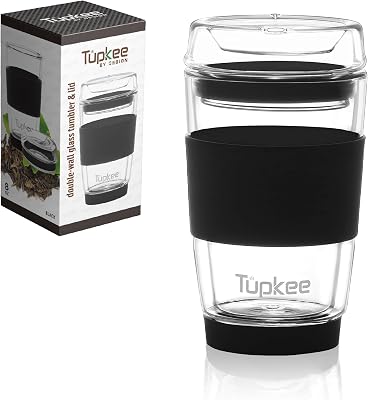
Tupkee Double Wall Glass Tumbler
Hand blown double wall borosilicate glass with a glass lid and a silicone seal. Nothing plastic touches your drink.
View →Ceramic
Glaze can carry lead, and Lead Safe Mama's XRF testing has found it on the drinking surface of ordinary mugs, souvenir and branded ones among them. Choose a ceramic mug only if it has a published lead test; otherwise glass or stainless steel is the safer daily cup.
Watch Out for "Stainless Steel" Mugs with Plastic Lids
Many stainless steel travel mugs advertise the steel body but quietly use a Tritan or PP plastic lid. While the steel body is safe, you drink through the lid, and hot vapor condenses on the lid interior. If you are choosing a travel mug, check the lid material specifically.
9. What About Milk and Alternatives
What you add to your coffee matters too.
Milk in Glass Bottles
Glass is inert and leaches nothing. If you can find dairy or plant milk in glass bottles (many local dairies and some brands offer this), it is the cleanest option.
Cartons (Tetra Pak)
Aseptic cartons used for oat milk, almond milk, and other alternatives have an inner polyethylene lining similar to disposable coffee cups. A 2022 study found detectable microplastics in beverages stored in carton packaging. The exposure is lower than hot beverage cups because the liquid is cold, but it is not zero.
Make Your Own
The simplest way to eliminate milk packaging entirely is to make your own plant milk at home. Oat milk requires only oats, water, and a blender. Nut milks require nuts, water, and a strainer. Homemade versions also avoid the emulsifiers, gums, and seed oils added to most commercial products.
10. Your Plastic Free Coffee Action Plan
You do not need to change everything at once. Here are the swaps ranked by impact:
- Stop using plastic coffee pods. This is the single highest impact swap. Switch to a glass French press, glass pour over, or stainless moka pot. If you keep your pod machine, use a reusable stainless steel capsule.
- Get a reusable cup. A stainless steel or glass travel mug eliminates thousands of disposable cup exposures per year.
- Switch to organic beans. Reduces pesticide residues that survive roasting.
- Choose Swiss Water Process decaf. If you drink decaf, this eliminates chemical solvent residues entirely.
- Use unbleached paper or stainless steel filters. Avoids potential PFAS treatments in paper filters.
- Check your brewer for plastic parts. If your drip machine or automatic espresso machine has a plastic reservoir, brew group, or internal tubing, consider upgrading to an all stainless or all glass system, or a manual lever espresso machine.
The first two swaps alone will eliminate the vast majority of plastic exposure from your coffee routine. Start there.
Ready to shop for plastic free coffee gear? Visit our store for curated recommendations on kettles, water filters, and kitchen tools.
Frequently Asked Questions
Do coffee pods release microplastics?
Yes. A 2020 McGill University study found that a single plastic coffee pod releases 2.3 to 7.9 billion nanoplastic particles and 1.2 to 17.8 million microplastic particles into your coffee. Aluminum capsules with inner plastic linings also release particles, though fewer.
What is the safest way to brew coffee?
A glass French press with a stainless steel filter is the safest option since no plastic touches your coffee at any point. Glass pour overs like the Chemex, with unbleached paper filters, and stainless steel moka pots are also excellent. The key is ensuring no plastic component contacts hot water.
Is decaf coffee processed with chemicals?
Most decaf coffee is processed with methylene chloride, a chemical solvent classified as a possible carcinogen. Safer alternatives include Swiss Water Process (uses only water) and CO2 process (uses pressurized carbon dioxide). Sugarcane process uses plant derived ethyl acetate, which is safer than methylene chloride but still a solvent. Look for Swiss Water Process or CO2 decaf for the cleanest option.
Do disposable coffee cups contain plastic?
Yes. Nearly all disposable paper coffee cups have a polyethylene plastic lining to make them waterproof. A 2021 study found that hot liquid in a disposable cup releases approximately 25,000 microplastic particles per 100 mL within 15 minutes. Using a reusable stainless steel or glass cup eliminates this exposure entirely.
Should I buy organic coffee beans?
Organic coffee is worth choosing. Conventional coffee can be treated with synthetic pesticides, and studies show 30 to 40% of conventional roasted coffee samples contain detectable pesticide residues. While roasting degrades 50 to 80% of some pesticides, others are heat stable. USDA certified organic coffee prohibits synthetic pesticides and herbicides entirely.
Are paper coffee filters safe?
Unbleached paper filters are the safest option. They filter coffee effectively without chemical treatments. Oxygen bleached (TCF) white filters are also safe. Some paper filters may contain PFAS for wet strength, so look for brands that specifically state they are PFAS free. Paper filters also have a health benefit: they trap cafestol and kahweol, coffee oils that can raise cholesterol.
Related Articles
- Best Plastic-Free Coffee Makers
Our ranked picks by brew style: percolator, pour over, moka pot, steel French press, and cold brew. - Toxic Kitchen Appliances, Ranked by Leaching Risk
Pod machines, drip brewers, and espresso machines ranked by how much they leach. Includes the complete coffee hierarchy. - How to Avoid Microplastics in Tea: The Complete Guide to Safer Brewing (2026)
Love tea too? Plastic tea bags release billions of particles per cup. Here is how to brew safely. - How to Remove Microplastics from Drinking Water (2026)
Great coffee starts with clean water. Learn which filters remove microplastics most effectively. - Cast Iron vs Stainless Steel vs Carbon Steel Cookware (2026)
While you are upgrading your coffee setup, make sure your cookware is PFAS free too. - Best Plastic Free Food Storage Containers (2026)
Store your coffee beans and grounds in plastic free containers for a fully clean setup.